October 21, 2026
Choosing new siding is an important investment in your home's appearance, durability, and exterior protection. The right siding can refresh your property's curb appeal while helping shield exterior walls from moisture, wind, and changing temperatures. However, the quality of the finished project depends on more than the material itself. Selecting an experienced vinyl siding company involves evaluating installation expertise, product options, communication practices, and the ability to meet your home's specific needs. Taking time to compare these factors can help you make an informed decision and prepare for a smoother renovation.
Evaluating Installation Experience and Expertise
Exterior siding installation requires careful planning, accurate measurements, and knowledge of how different building components work together. Improper installation can contribute to issues involving moisture intrusion, panel movement, uneven seams, or premature material damage. When evaluating contractors, ask about their experience with vinyl siding projects similar to yours, including homes with architectural details, multiple stories, or unusual exterior layouts. A qualified team should be able to explain its installation process and how it accounts for the characteristics of your property.
Experience also matters when existing siding needs to be removed before new materials can be installed. The condition of the underlying wall, sheathing, and moisture-management components can affect the scope of the project. Contractors should explain how concealed problems will be evaluated and communicated if they are discovered during the work. Clear answers help you understand how the installation will proceed and what decisions may be necessary if unexpected conditions arise.
Reviewing Product Quality and Siding Options
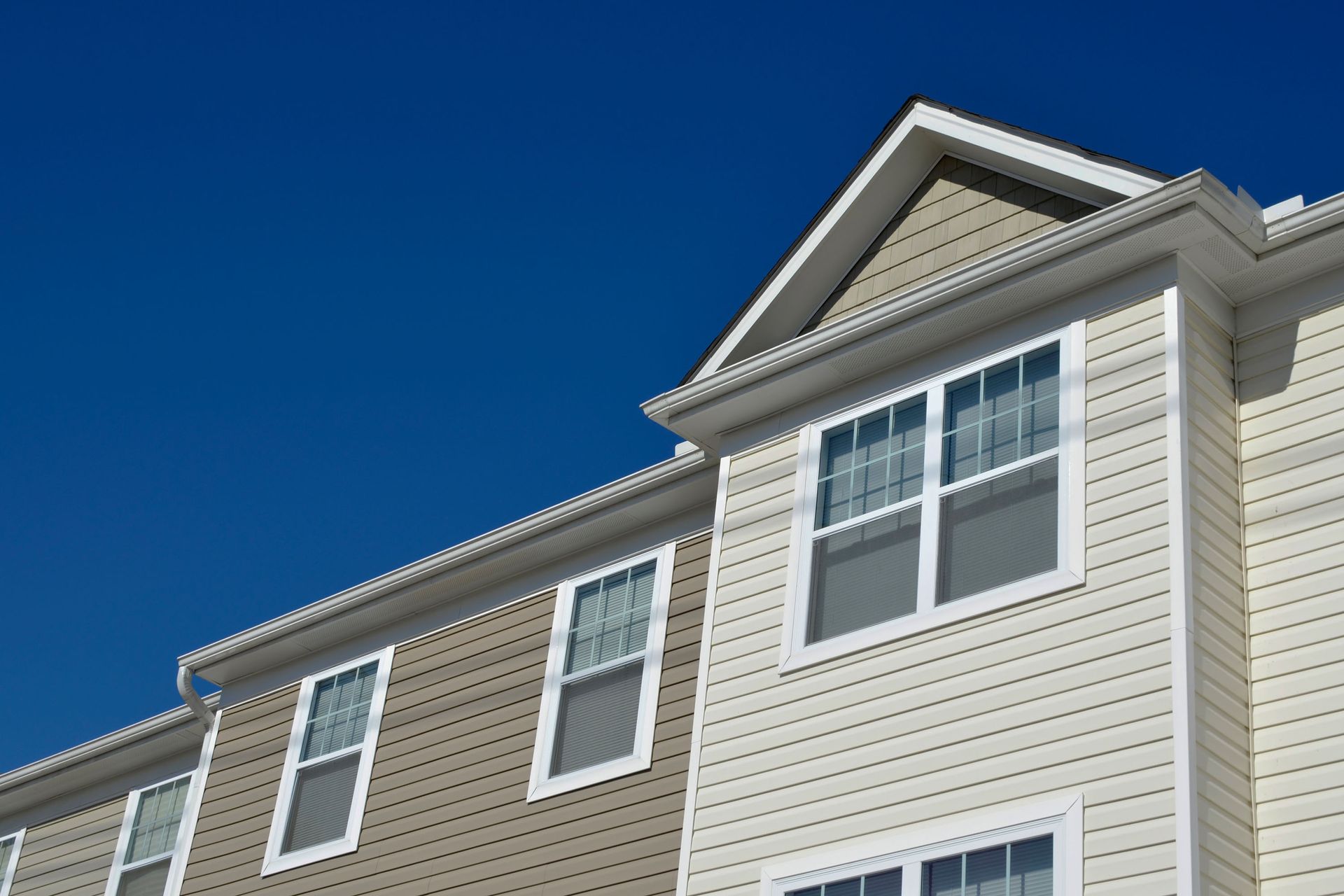
Vinyl siding is available in different profiles, colors, textures, and thicknesses, giving homeowners flexibility when planning an exterior renovation. Some products offer a traditional horizontal appearance, while vertical panels and shake-style designs can create different architectural effects. A knowledgeable contractor should explain the available options and how they may complement your home's proportions, roofline, trim, and surrounding landscape. Product selection should reflect both your preferred appearance and the performance requirements of the property.
According to Global Growth Insights, vinyl siding represents approximately 38% of the siding market, highlighting its significant place among exterior cladding options. Its popularity does not mean every product is identical or suitable for every home. Homeowners should compare manufacturer specifications, installation requirements, expected maintenance, and available product documentation before choosing materials. An experienced vinyl siding company can help explain these differences so your selection reflects your priorities rather than appearance alone.
Comparing Estimates and Project Inclusions
Written estimates help homeowners understand the expected scope of a siding project and compare proposals on a consistent basis. A useful estimate should identify the proposed materials, the areas being covered, and the major stages of installation. It should also explain how existing siding, trim, corners, and other exterior details will be addressed. Comparing these elements makes it easier to determine whether contractors are proposing similar levels of work.
The lowest estimate may not represent the most suitable option if important tasks or materials are excluded. Differences in preparation, disposal, flashing details, or finishing components can affect both the initial scope and the completed appearance. Ask each contractor to clarify any unclear line items and explain how changes to the project will be handled. Reviewing these details before work begins can reduce misunderstandings and help you evaluate the overall value of each proposal.
Examining Communication and Project Management
Reliable communication plays an important role in a successful exterior renovation. Homeowners need to understand when work is expected to begin, how progress will be shared, and whom to contact with questions. During initial discussions, pay attention to whether the contractor listens carefully, explains technical information clearly, and responds directly to your concerns. These early interactions can offer insight into how communication may work once installation is underway.
Project management also involves coordinating materials, workers, scheduling, and unexpected conditions. Weather delays, product availability, or hidden damage may affect the original timeline, so contractors should explain how they communicate changes. Before signing an agreement, make sure you understand the expected sequence of work and how important decisions will be documented. A professional
vinyl siding company should make it clear how questions, updates, and project changes will be handled throughout the renovation.
Assessing Preparation and Moisture Protection
Siding serves as part of a home's exterior protection, but it is not a substitute for a properly designed wall assembly. Effective moisture management depends on the condition of the underlying structure, appropriate water-resistive barriers, flashing, and correct detailing around windows and doors. Before installation, the contractor should evaluate relevant exterior conditions and identify areas that may require attention. This preparation helps establish a suitable foundation for the new siding.
Details around roof edges, corners, utility penetrations, and openings deserve particular attention because these areas can be vulnerable to water entry. The contractor should be able to explain how the installation will address these transitions and follow the product manufacturer's requirements. If deterioration is found beneath the existing siding, it is important to understand the proposed corrective work before it proceeds. Careful preparation can support the performance of the exterior system and reduce the likelihood of avoidable complications.
Confirming Credentials and Professional Accountability
Before hiring a contractor, review the qualifications and documentation relevant to your location and project. Licensing requirements vary by jurisdiction, so homeowners should understand which rules apply to residential siding work in their area. It is also reasonable to ask about business history, relevant training, and the company's process for addressing concerns after installation. Clear information makes it easier to assess whether the contractor is prepared to take responsibility for the work.
Written agreements should outline the project scope, payment schedule, material selections, expected timeline, and procedures for handling changes. Homeowners should also ask what manufacturer product coverage applies and whether the contractor provides separate workmanship commitments. These terms are not interchangeable, so it is important to understand what each one covers and which conditions or exclusions may apply. Reviewing the documentation before work begins helps establish expectations for both parties.
Comparing Design Compatibility and Long-Term Maintenance
New siding should complement the home's architecture instead of making the exterior feel disconnected from its original design. Color, panel profile, trim, shutters, roof materials, and window styles all contribute to the overall result. A contractor can help evaluate combinations that suit the home's proportions and create a cohesive exterior appearance. Looking at actual product samples and completed project examples may also help clarify how colors and textures will appear outside.
Maintenance is another important consideration when comparing products. Vinyl siding generally requires less routine upkeep than some exterior materials, but it still benefits from appropriate care and periodic inspection. Homeowners should understand the manufacturer's recommendations for cleaning and learn which conditions may require professional attention. A capable contractor can discuss realistic maintenance expectations and help you select a product that aligns with your preferred appearance and available time for exterior care.
Selecting a Contractor With Confidence
The final decision should reflect the overall quality of the proposal rather than a single feature. Compare each contractor's experience, material recommendations, project details, communication practices, and willingness to answer questions. Consider whether the company has explained the work in a way that makes the process understandable and whether the written agreement reflects the discussions you have had. These factors provide a more complete basis for evaluating your options.
New siding can improve your home's appearance and provide an opportunity to address important exterior details. At Preferred Windows and Siding, we can help you explore vinyl siding options, understand the installation process, and determine which products fit your home's style and requirements. We focus on helping homeowners make informed decisions about their exterior improvement projects, from initial material discussions to installation planning. Contact Preferred Windows and Siding to discuss your siding goals and learn how we can help enhance your home's exterior.